Bears, extinct
Some species of extinct bears that I find specially interesting, and possible important food sources. Ballusia, one of the earliest and smallest true bears, was an omnivore, likely with a lifestyle similar to raccoons or badgers. Kretzoiarctos, the earliest of the giant panda lineage, was already able to chew tough vegetals. Indarctos was an adaptable omnivore akin to brown bears, but more related to giant pandas. Ursavus was pretty similar to modern, medium sized omnivore bears. Arctodus and Agriotherium, once considered cursorial predators of big animals, were more likely oportunists prowling big territories with their long limbs. Arctotherium was a mainly vegetarian omnivore. Protarctos was the first bear that hibernated, due to the cold and dark winters it would have to endure on its northern range. It also gorged on sweet foods. Cave bears like Ursus ingressus were mainly herbivorous, hibernating mountain dwellers.
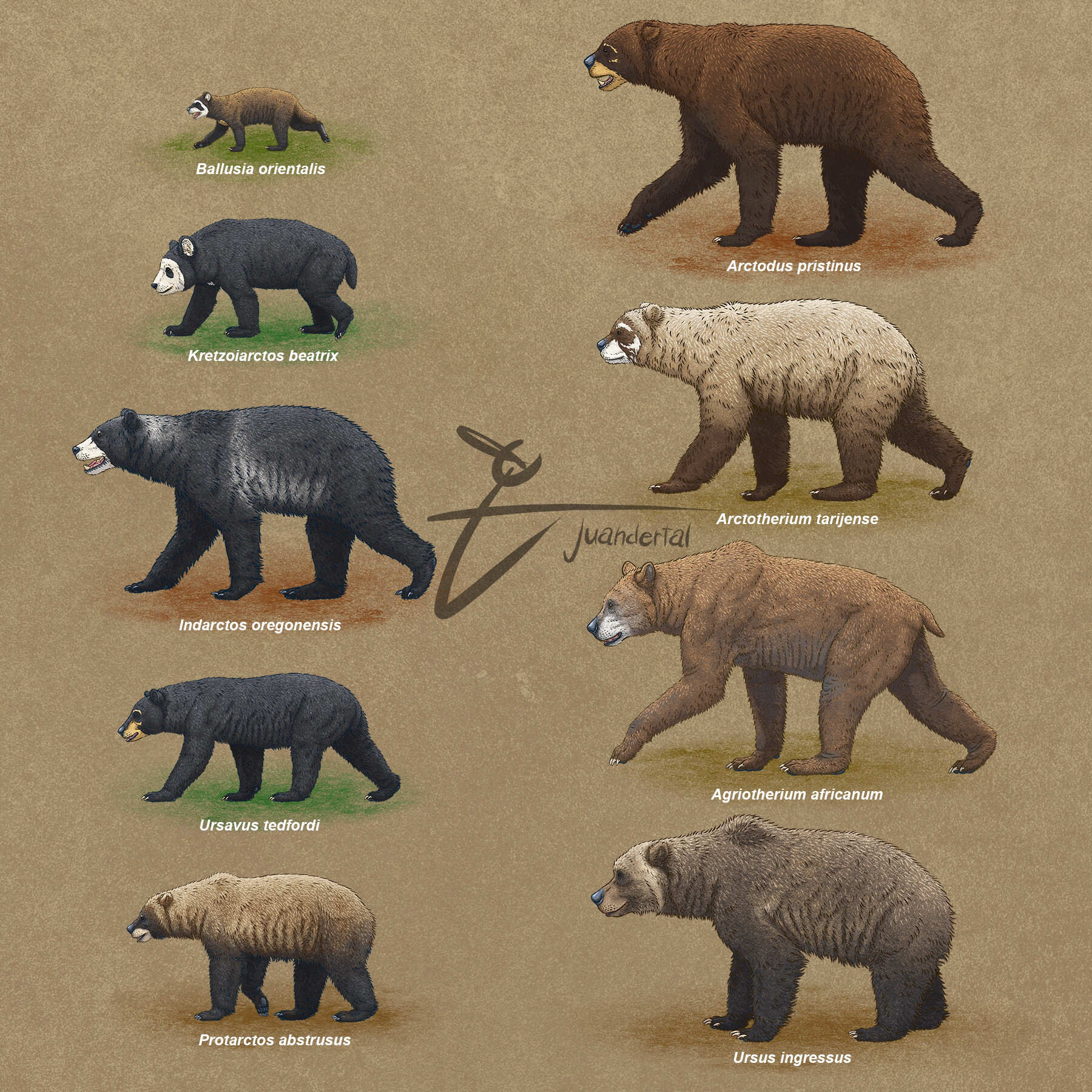
Side view, roughly to scale.

Front view. Groud colors correspond to different habitats.

Ballusia orientalis. 19-16 million years ago, China.
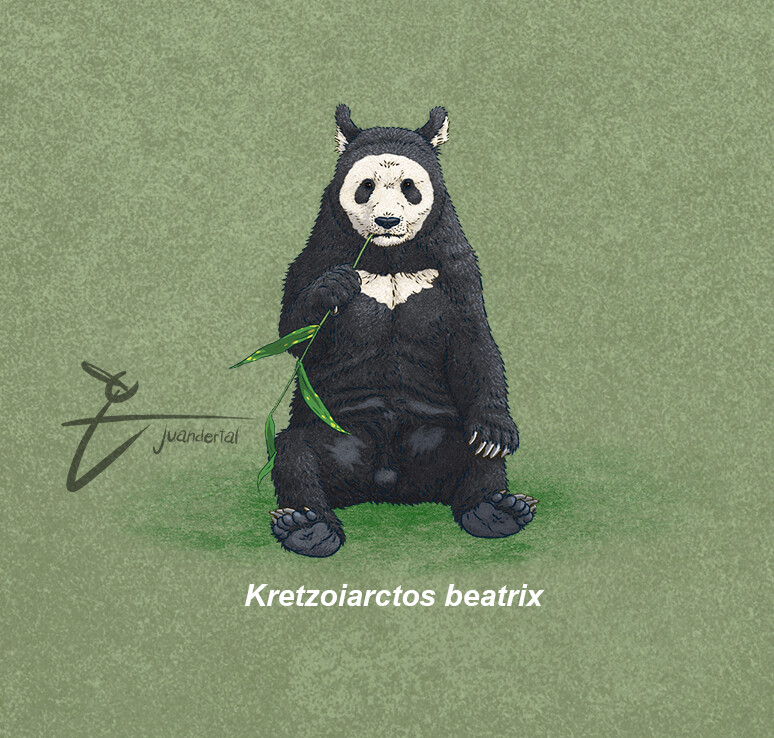
Kretzoiarctos beatrix. 12-11 mya, Spain.

Indarctos oregonensis. 11-5 mya, USA.

Ursavus tedfordi. 8 mya, Gansu, China.
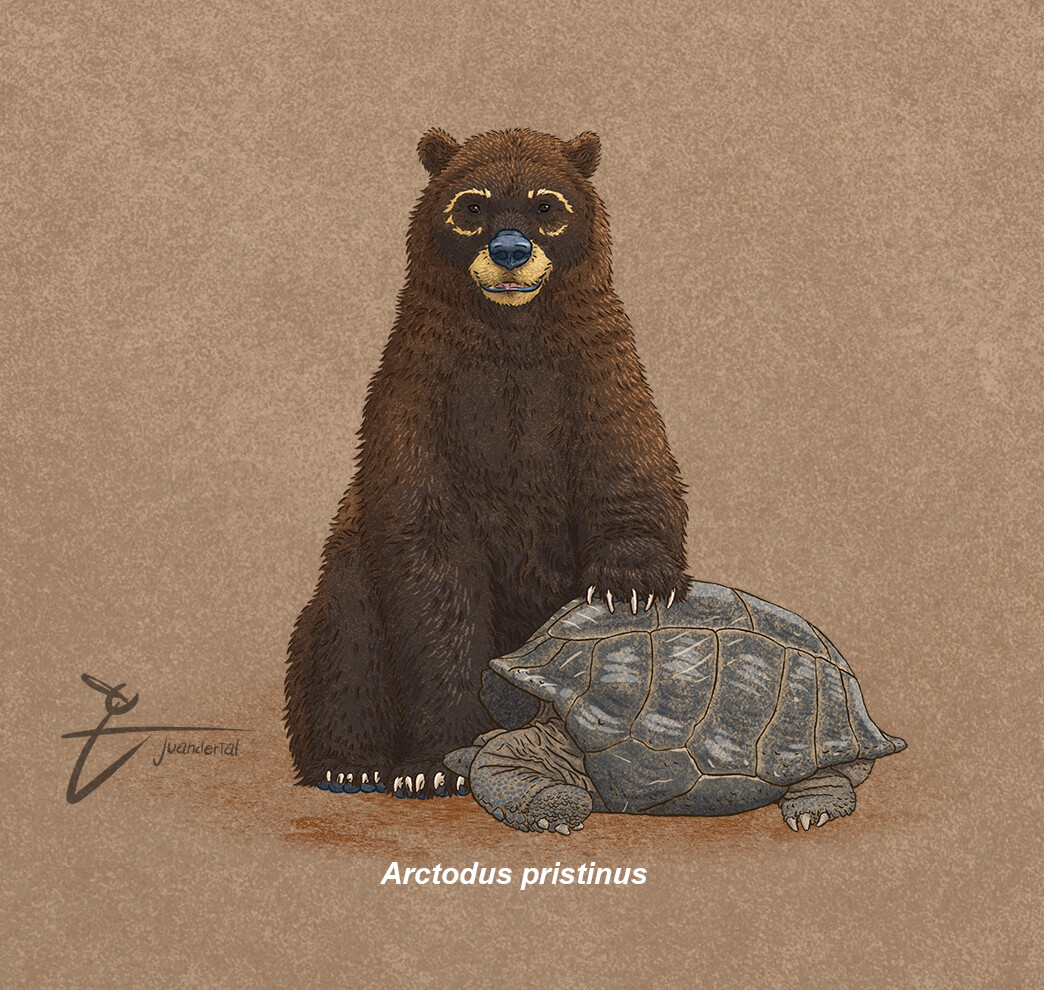
Arctodus pristinus. 3-2,2 mya, USA and Mexico.
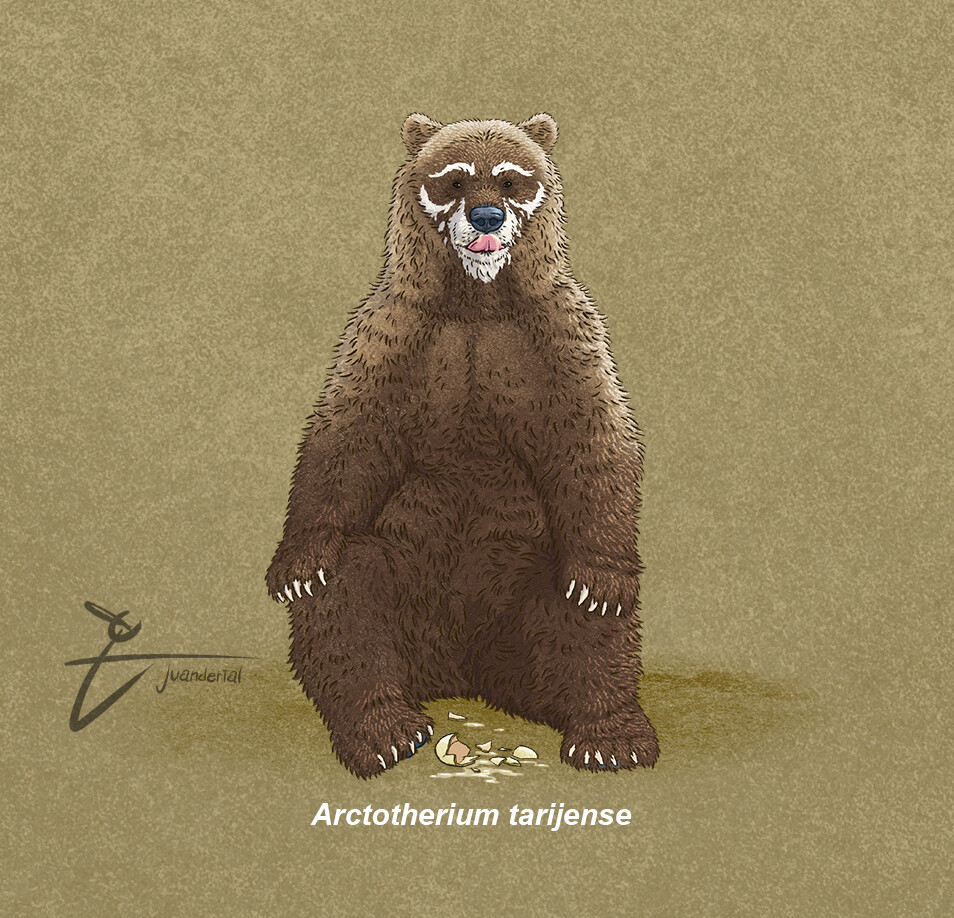
Arctotherium tarijense. 500-15 thousand years ago, southern half of South America.
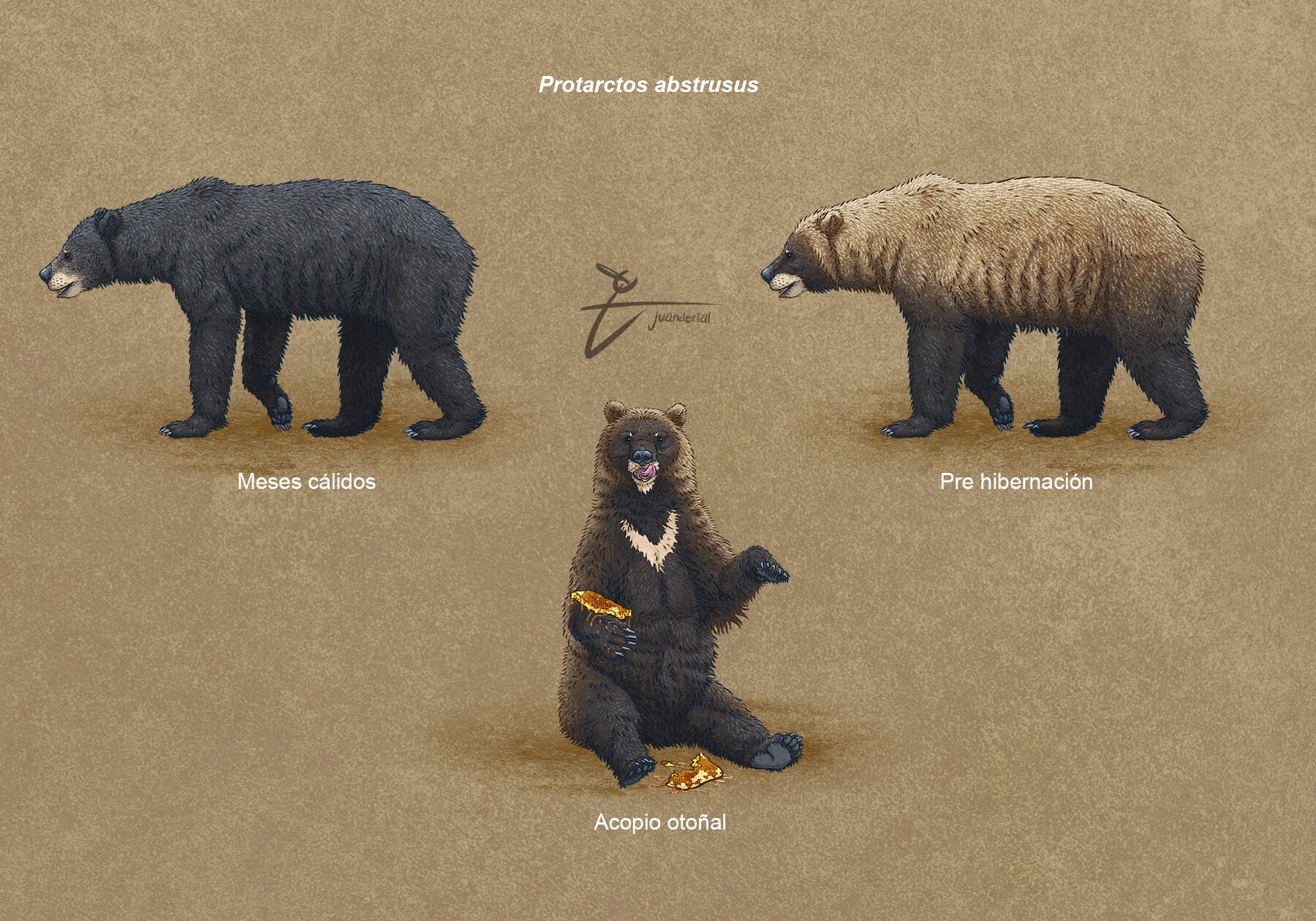
Protarctos abstrusus. Over 3,4 mya, North America up to the arctic islands.
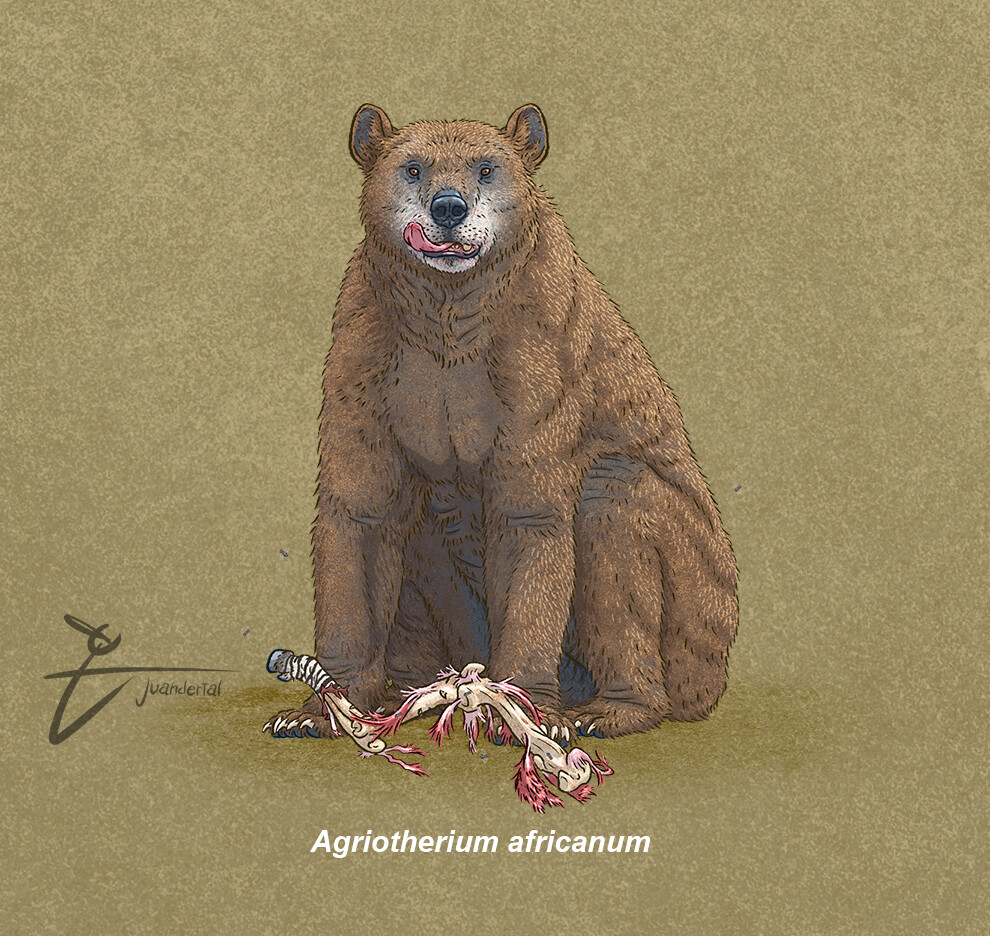
Agriotherium africanum. 11,6-2,5 mya, Subsaharan Africa.

Ursus ingressus or Ursus kavinetz. Around 170-30 thousand years ago, central and eastern Europe.